
Small Dog Harness — Tested Guides
Harnesses tested for pulling, escaping, heat and night visibility — with the pull-force and escape-test numbers behind each verdict.
A harness for a small dog has to do two jobs that pull against each other: stop the dog pulling, and never let it slip out. Front-clip designs redirect forward force sideways; escape-proof designs add a third strap or a wider neck opening that a dog cannot reverse through.
We measure peak pull force with a scale on the leash, then run an escape test by having the dog back out under tension — because a harness that fails the second test is unsafe no matter how well it scores on the first.
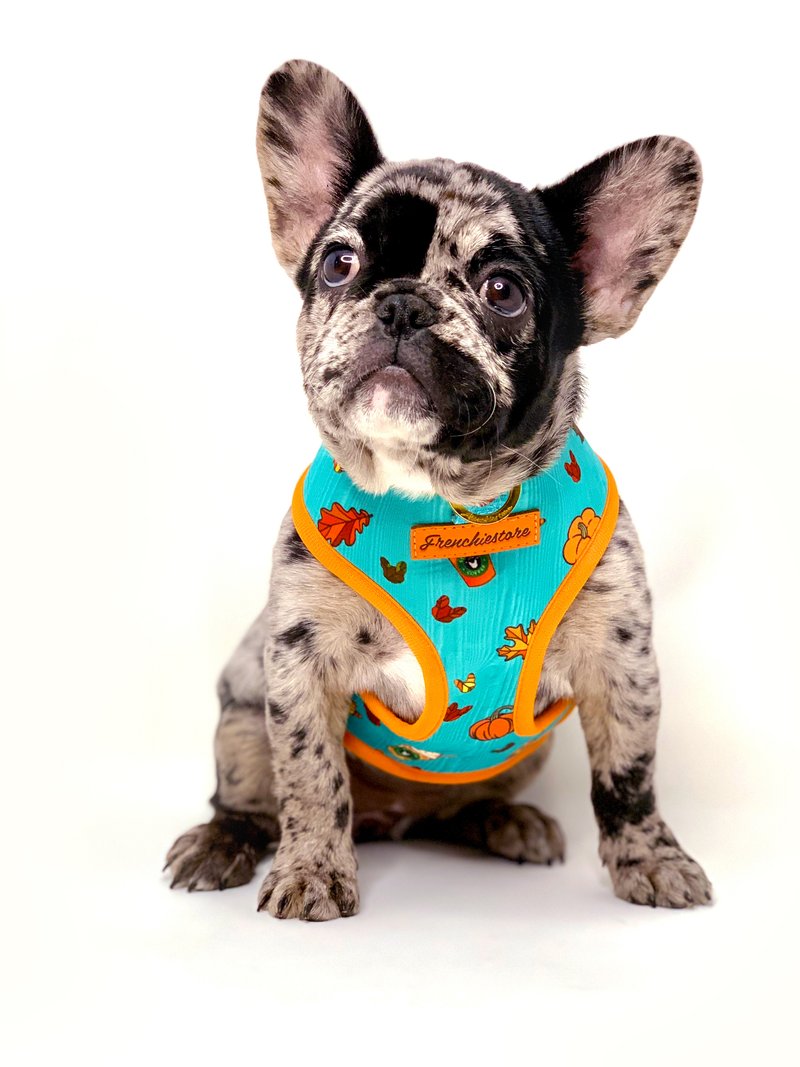
Best Breathable Mesh Harness for Hot Summers — Tested on an 8 lb Corgi
We put five mesh harnesses on Peanut during a 95°F week. Which ones kept him cool and which ones made him overheat? Here's the infrared data.
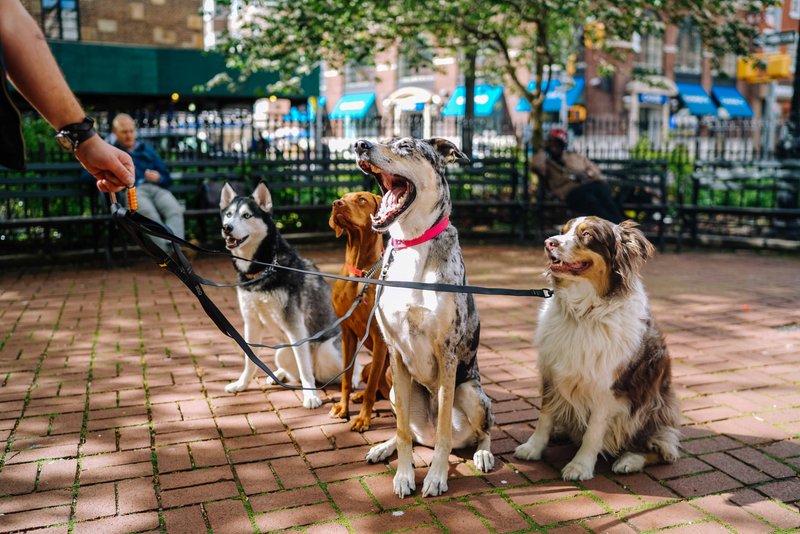
PHOEPET No Pull Dog Harness for Night Walks — Real Visibility Test
We tested five reflective harnesses in pitch darkness at 50, 100, and 200 feet. Here's which one actually makes your small dog visible to drivers — and which one is just marketing.
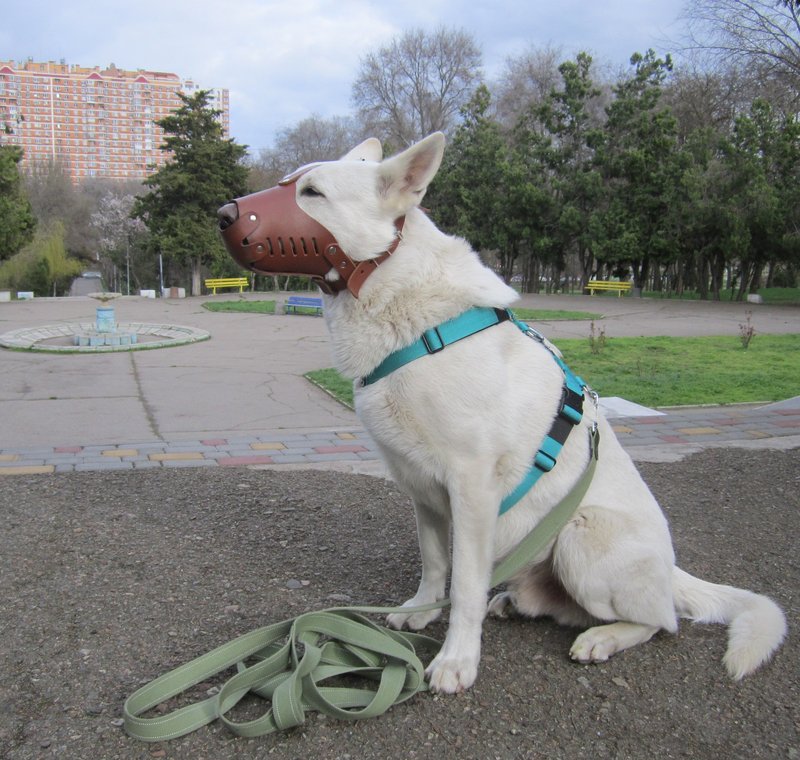
Best Escape-Proof Harness for Small Dogs — Tested
We put three escape-prone small dogs across three breeds through our standard escape test (2-minute window). Here's which harnesses held and which ones came off before the timer stopped.

Y vs H Harness for Small Dogs — Tested
We put both harness shapes on three small dogs and measured where pressure goes, how much they slip, and which one your dog will tolerate. Here's what the numbers said.
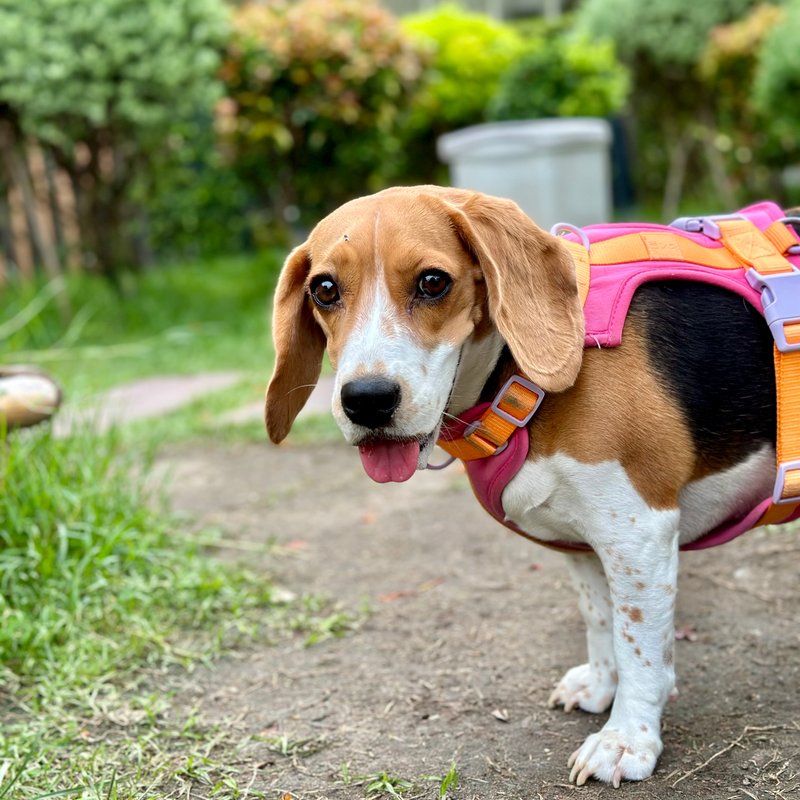
No-Pull Harness for Small Dogs — Which Design Actually Stops the Pull
Five harness designs on one pulling corgi, measured with a luggage scale. Which geometry stops the pull — and why the second-lowest number is not the second-best harness.
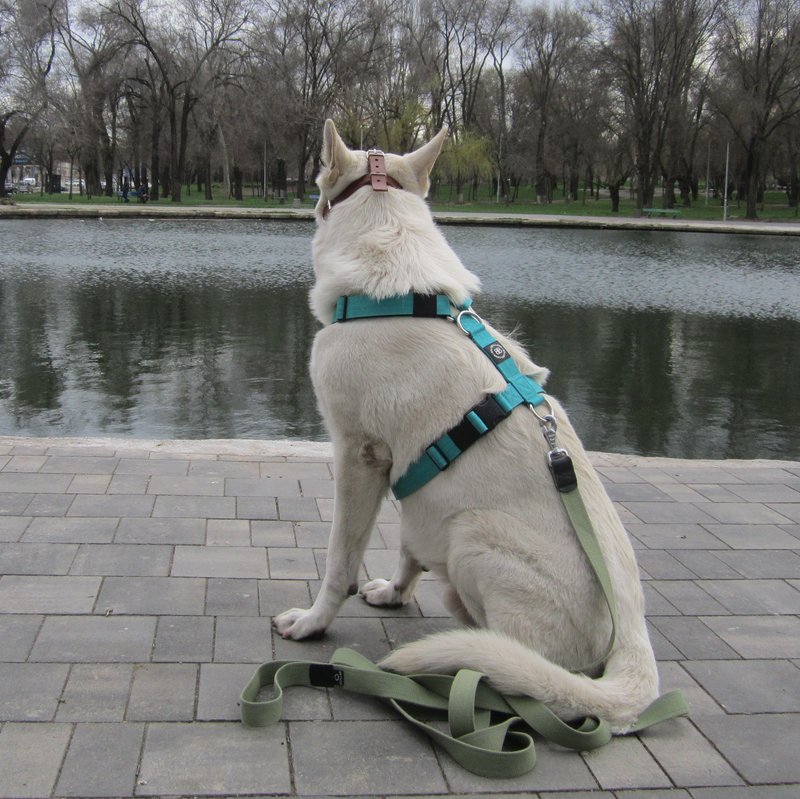
Harness vs Collar for Small Dogs: What We Measure Before We Answer
Instead of repeating 'harnesses are safer,' we measured the actual force difference at the neck between a collar and a harness on a 8 lb dog. Here's what the numbers said, and when we'd still reach for a collar.
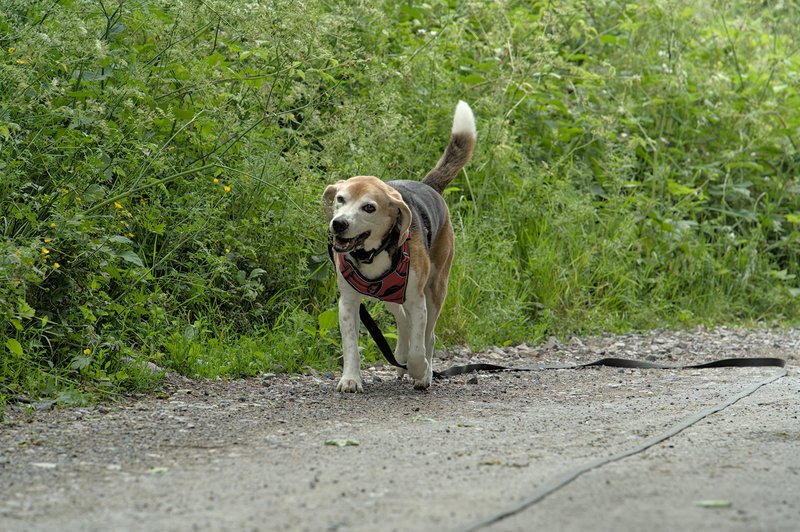
How Tight Should a Dog Harness Be? 2-Finger Rule
We measured a dozen harnesses on three small dogs and found the 2-finger rule gets repeated wrong more often than right. Here's the exact procedure we use and the mistakes we see most.
Frequently asked questions
Is a front-clip harness better for a dog that pulls?
Usually yes — a front clip turns the dog’s momentum sideways instead of letting it lean into the leash, but it must still fit snugly or the dog can step out of it.
How tight should a harness be?
Snug enough that you can fit about two fingers under the straps but not slide the harness over the shoulders — looser lets a small dog back out; tighter rubs.
Can a harness replace a collar entirely?
For walks, often yes, and it is gentler on a small dog’s throat; keep a flat collar with ID tags on as backup.