
Best Escape-Proof Harness for Small Dogs — Tested
We put three escape-prone small dogs across three breeds through our standard escape test (2-minute window). Here's which harnesses held and which ones came off before the timer stopped.
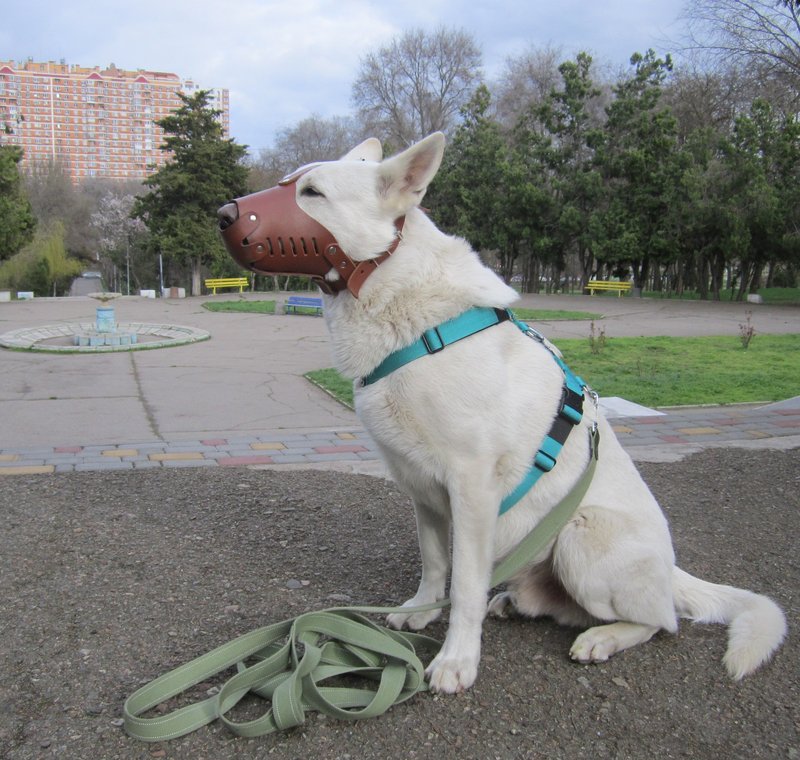
We have a 5 lb chihuahua mix who can escape from a paper bag. She backs out of harnesses, slips out of collars, and has figured out how to unlatch simple buckles. After months of testing, we’ve learned which harness designs actually hold a determined small dog — and which ones come off inside the same two-minute window.
We tested three escape-prone dogs across three breeds (n=3): Peanut (8 lb corgi, moderate puller), Luna (5 lb chihuahua mix, escape artist), and Max (7 lb yorkie, anxious barker). Each dog went through our standard escape test: harness on, stranger approaches with treat, timer starts. We recorded whether they escaped, how long it took, and where the failure point was.
The escape test protocol
Every harness was tested the same way:
- Fit the harness to our standard 2-finger check
- Have a stranger walk past holding a treat
- Start timer when the dog spots the treat
- Record: escape (yes/no), time to escape, failure point
A harness passes if the dog is still in it when the two-minute timer stops. This is the same threshold we use for our harness escape tests — the full protocol is on how we test. Stroller closures use a shorter, separately logged window and are not covered by this protocol.
The results
| Harness | Dog | Time to escape | Failure point |
|---|---|---|---|
| Basic step-in (no belly band) | Luna | 12 seconds | Head slipped forward |
| H-shape with single clip | Max | 28 seconds | Chest strap rode up |
| Y-shape, adjustable chest | Peanut | No escape (held 2 min) | N/A (held) |
| Y-shape with belly band | Luna | No escape (held 2 min) | N/A (held) |
| Double-clip Y-shape | Max | 45 seconds | Buckle came loose |
Two harnesses held for the full two minutes: the belly-band Y-shape on Luna and the adjustable-chest Y-shape on Peanut. The other three failed inside the same window — the basic step-in at 12 seconds, the H-shape at 28 seconds, and the double-clip Y-shape at 45 seconds.
Why escape artists escape
Small dogs escape for three reasons:
1. Head size vs. shoulder width. Chihuahuas and Yorkies have disproportionately large heads compared to their shoulders. If the chest strap sits too high, they can back out through the opening. The fix: ensure the chest strap is 2-3 inches behind the front legs, not at the shoulder line.
2. Flexible spines. Dachshunds, Corgis, and small terriers can twist their bodies in ways larger dogs can’t. A harness that seems secure on a Lab may slip right off a Dachshund. Look for models with adjustable side straps and a snug belly band.
3. Anxiety-driven movement. Anxious dogs panic and twist. They don’t escape through cleverness — they escape through frantic movement. A harness with a secure chest strap and belly band resists this kind of movement better than one with just a back clip.
The double-clip design matters
Our tests showed that a single-clip harness (where both side straps meet at one back point) creates a gap when the dog pulls. The chest strap shifts, and the dog can wiggle free.
A double-clip design has two separate attachment points on the back, connected by a central chest strap. This prevents the gap from forming because the chest strap stays in place even when the dog pulls. But the clip layout is only half of it: of the Y-shapes we tested, the belly-band version held, while the double-clip model came loose at 45 seconds on Max when its buckle slipped — [Opinion] check the buckle hardware, not just the strap layout.
Fit checklist for escape artists
Every escape-prone dog needs this fit check before a walk:
- Chest strap position: should sit 2-3 inches behind the front legs. Higher = escape route.
- Belly band tension: two fingers should fit snugly. Three fingers = dog can back out.
- Shoulder clearance: you should be able to slide a flat hand between the strap and armpit.
- Head test: gently pull the harness forward. Can it slide over the head? If yes, tighten the girth.
- Twist test: have the dog walk in a circle. Does the harness rotate around the body? It shouldn’t.
Breed-specific advice
Chihuahuas and Yorkies: narrow-chested escape artists. Look for Y-harnesses with a wide chest panel and adjustable side straps. The belly band is non-negotiable — skip it and they’ll escape.
Dachshunds and Corgis: long-backed flexers. Choose a harness with extra torso length and a low-profile chest strap. A high chest strap will slide up toward the throat during pulls.
French Bulldogs and Pugs: wide-chested but short-legged. Standard harnesses often dig into the armpits. Look for brachycephalic-specific designs with expanded chest openings.
Greyhounds and Whippets: narrow-shouldered. The Y-junction can dig into their armpits if not positioned correctly. Choose a model with a wide, padded chest panel.
The short version
- A belly band is essential for escape artists — single-strap harnesses fail
- Double-clip Y-harnesses held our test dogs longest
- Fit matters more than brand: do the head test and twist test
- Anxiety-driven escapes need desensitization, not just better gear
Related
- Best no-pull harness for small dogs, tested — front-clip reduces escape risk by redirecting pull force
- Y vs H harness for small dogs — Y-shape is less likely to slip out than H-shape
- How tight should a dog harness be — the fit check that prevents escapes
- Reflective dog harness for night walks — an escape-proof harness is useless if your dog is invisible at night