
Small Dog Sizing Guide — One Chart for All Gear
How to measure chest, neck, and back length on a small dog, plus the size chart we use for harnesses, backpacks, and strollers.
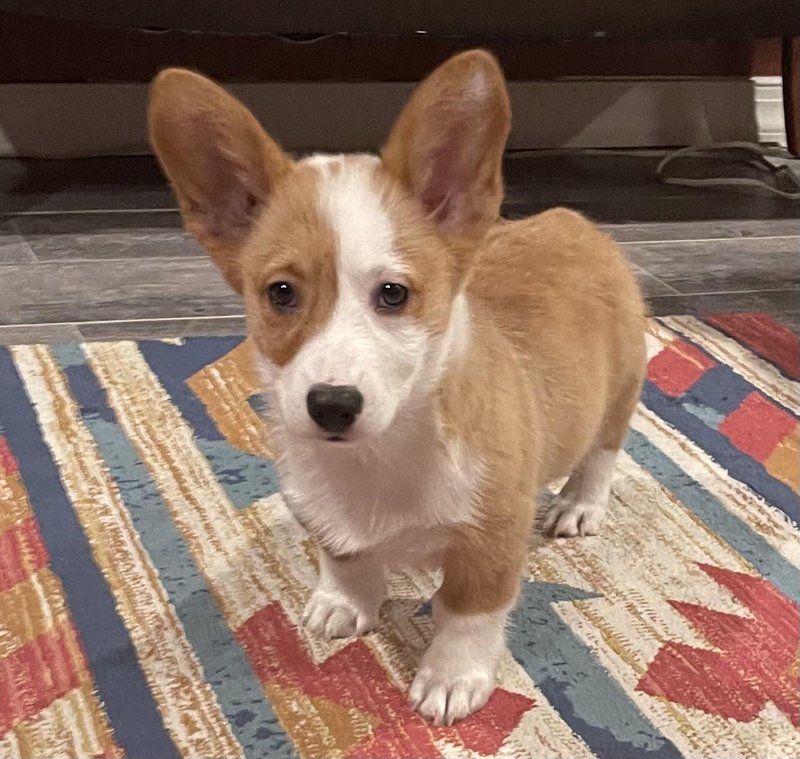
Sizing small-dog gear wrong is how you end up with a harness that slips off in the parking lot, a backpack that tips your dog sideways, or a carrier that clears the weight limit but not the height. This is the measurement routine we use for every product on this site — one set of numbers, applied to every category.
The three numbers that matter
Back length — from the base of the neck to the base of the tail, measured in a straight line along the spine. This is the single most important number for backpacks and most harnesses, because it decides where the straps sit and whether the dog can lie down inside a carrier.
Chest girth — around the widest part of the ribcage, right behind the front legs. Most escape problems come from a chest measurement that is too small, not too large: a harness that cannot close snugly around the ribcage is one a determined dog can back out of.
Neck girth — around the base of the neck, where a collar sits. For harnesses this matters less than the chest, but it still tells you whether a collar or a step-in harness will sit comfortably, and it is worth writing down once so you never have to guess again.
Write all three down and keep them on your phone. Every size question below resolves back to these three numbers.
How to measure
Stand your dog on a flat, hard surface — carpet compresses under the paws and skews the reading. Use a soft tailor’s tape, not a rigid ruler, and keep it flat against the body rather than pulled tight.
- Back length: base of the neck to base of the tail, in a straight line. Do not follow the curve of the spine or measure to the tail tip.
- Chest: around the ribcage behind the front legs, snug but not tight — you should be able to slide one finger under the tape.
- Neck: around the base of the neck, where a collar naturally sits.
Have someone hold a treat to keep the dog still, or measure while the dog naps. A moving dog will cost you an inch in every direction, and an inch is the difference between two sizes.
The size chart we use
| Back length | Suggested size |
|---|---|
| 6–8 in | XS |
| 9–11 in | S |
| 12–14 in | M |
| 15–17 in | L |
| 18+ in | XL (rare for small dogs) |
This chart is a starting point, not a verdict. Two dogs with the same back length can need different sizes if one is deep-chested and the other is narrow. Always check the product’s own chest-girth range before buying.
Sizing by gear type
The same three numbers get read differently depending on what you are buying.
Harnesses. Chest girth is the deciding number, with back length a close second. A harness that fits the chest but is too short along the back will ride up toward the throat; one that is long enough but too loose at the chest is the one a dog escapes from. When a harness sits between sizes, size up and tighten the straps — a harness can be adjusted down, but not out.
Backpack carriers. Back length decides whether your dog can sit upright with its head clear of the top, and chest girth decides whether the leg openings sit in the right place. A carrier that is generous on weight can still be too short in the back for a long-bodied dog like a corgi.
Strollers. Here the numbers are about the basket, not the dog: internal basket length, internal height, and the combined weight limit. Measure your dog lying down, nose to tail base, and add a couple of inches of clearance so it can shift position on a long walk.
Airline carriers. The limit that matters is the airline’s published maximum carrier size, not an under-seat gap you can’t look up — no US airline publishes the clearance, they publish a carrier size and say the space varies by aircraft. The dog still has to stand and turn inside. Check the carrier’s exterior dimensions against that published maximum (all six are tabulated in the airline carrier guide, checked October 2026), then confirm your dog fits inside with room to turn.
Common measuring mistakes
- Measuring over a thick coat. Fur adds an inch or more. Measure snug against the body and add a small allowance for coat, rather than measuring the fur itself.
- Letting the tape sag. A loose tape reads long, and a long chest reading is how people buy a harness their dog backs out of.
- Measuring a sitting or curled dog. The spine shortens when a dog sits. Measure standing, or at least fully stretched out.
- Trusting the weight chart alone. Weight charts on product pages are rough — see the note below.
When to size up vs size down
Size up for harnesses and backpacks when your dog sits between sizes, then use the adjustment straps; it is easier to take up slack than to add length. Size down only for items that have to be snug to work — and only after checking the chest range, because a too-small harness is a safety problem, not just an uncomfortable one.
Puppies and growing dogs
Puppies outgrow sizes fast. If the dog is still growing, buy for the chest now, not the back length later — a slightly roomy harness is safer than one that pinches. Expect to replace gear once during the first year rather than buying the adult size up front.
A note on weight
Weight charts on product pages are rough. A long-backed 8 lb corgi needs a different size than a stocky 8 lb French bulldog. When a product page shows both, trust the back-length column, and treat the weight limit as a safety ceiling rather than a size guide.
Where to go next
- How to pick a small dog backpack carrier
- Best no-pull harness for small dogs
- Best escape-proof harness for small dogs
- Best lightweight dog stroller
- The best airline-approved dog carriers
- Best dog water bottle for travel and road trips