
How to Measure a Dog for a Carrier Backpack (Size Chart)
The size chart on the box lies. Here's the two-minute measuring routine we use, with the back-length numbers that actually decide your carrier size.
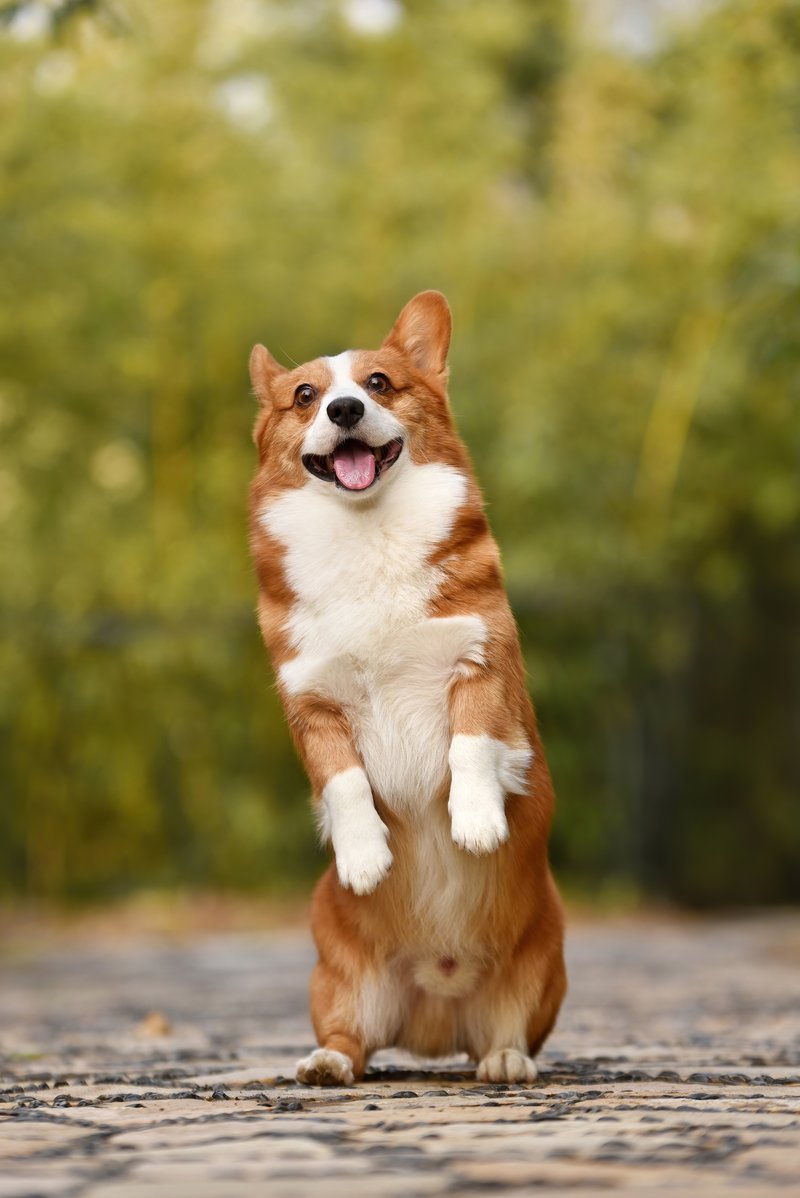
The fastest way to buy the wrong dog backpack is to trust the weight column on the box. Two dogs can both weigh 8 lb and need completely different carrier sizes —one long-backed and one stocky. The number that actually decides it is back length.
The one number that matters: back length
Back length is the distance from the base of the neck to the base of the tail, in a straight line. It decides which carrier size fits, and it’s the number nearly every brand sizes by once you’re past the weight chart.
How to measure:
- Stand your dog on a flat surface, all four feet planted
- Find the base of the neck —the spot where the neck meets the shoulders
- Find the base of the tail —where the tail meets the body
- Run a soft tape in a straight line between the two, along the spine
Don’t follow the curve of the spine. A straight line gives the number the size chart expects. Following the body curve adds an inch you don’t have.
The size chart (back length)
| Back length | Carrier size |
|---|---|
| 6— in | XS |
| 9—1 in | S |
| 12—4 in | M |
| 15—7 in | L |
Peanut is 13 inches, which puts him in a medium —and that matches the medium backpack we’ve been using for a year. The weight chart said “up to 12 lb for medium,” which would have sent us to a small. Trust the back length.
The second measurement: chest girth
Back length picks the size; chest girth checks whether it’ll be too tight. Measure around the widest part of the ribcage, right behind the front legs.
If a carrier fits by back length but the chest strap needs to be at maximum extension to close, it’s the wrong carrier. The dog will be uncomfortable and the fit will be unstable —exactly the conditions for them to try to wriggle out.
How to measure a wiggly dog
Measuring a dog who won’t hold still is genuinely hard. Two tricks that work:
- Have a second person hold a treat at nose height while you measure —a still dog is a focused dog
- Or measure while they nap. A sleeping dog’s measurements are nearly identical, and you won’t fight them for it
A note on puppies
Puppies outgrow carriers fast. Measure every month while they’re growing, and size up as soon as the back-length measurement reaches the next band. A carrier that’s snug today will be unusable in six weeks.
FAQ
Does weight matter at all for carrier size?
It matters for the weight limit, not the size. Check the carrier’s max weight separately —a long-backed 15 in dog might be only 10 lb, and the carrier that fits their length might have a 15 lb limit. Fine. But a 12 lb stocky dog in a small carrier by weight will never fit the length.
What if my dog is between sizes?
Size up. A carrier that’s slightly roomy is safer than one that’s tight, especially for the escape factor —a snug carrier gives a wriggly dog more leverage.
How do I measure a fluffy dog?
Push the fur flat against the spine before you measure. Fluff can add half an inch to the number.
Related
- How to pick a small dog backpack carrier
- Small dog gear sizing guide —the full chart for all gear
- Backpack vs sling carrier: which is safer