
Backpack vs Sling Carrier for Small Dogs: Which Is Safer?
We wore both for a week of errands. The backpack wins on security, the sling wins on snugness —but in a hands-on escape check with Peanut (n=1), only the backpack held him.
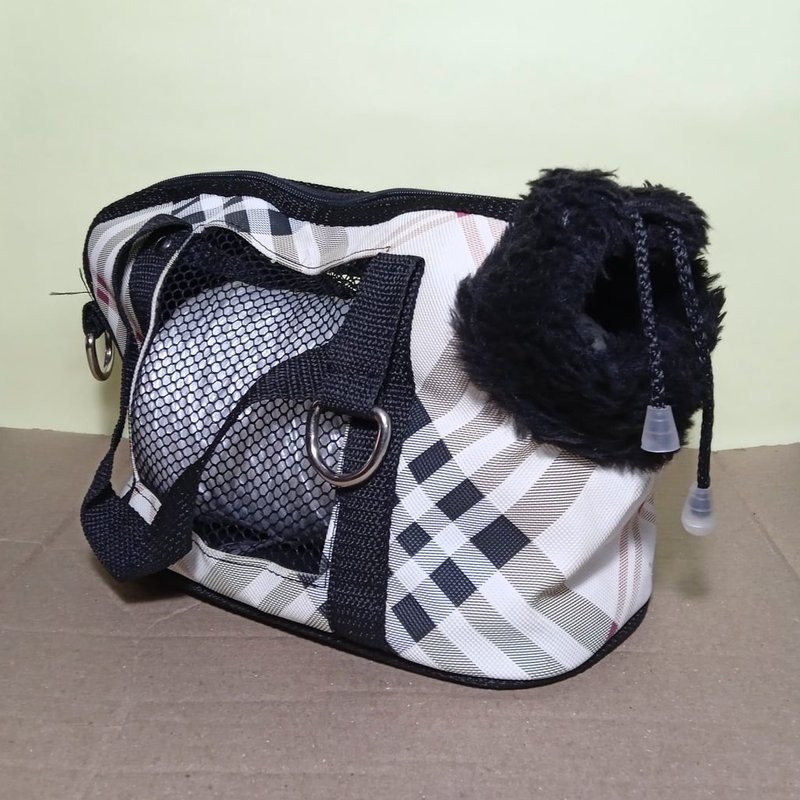
Peanut has now traveled in both a backpack carrier and a sling carrier, and we kept both —because they’re for different jobs. But if you’re only buying one, the safety difference matters more than the comfort difference.
What we compared
We used each for a week: the backpack on market days and bus rides, the sling for quick trips to the corner store and when he was sick and needed to be carried close.
Back safety: the deciding factor
This is where the two designs split hard.
Backpacks carry the dog’s weight on your shoulders and hips, in a padded frame. Peanut is 8 lb, and an hour in the backpack left our shoulders fine.
Slings put the entire weight on one side of your body. The strap crosses one shoulder, and every dog movement shifts the load. By week’s end, one side of our lower back was sore in a way the backpack never caused.
For dogs over about 6 lb, or for any walk longer than twenty minutes, the backpack is the safer choice for you —and a tired owner is a worse owner.
Escape risk: where the sling frightened us
A sling carrier is essentially a fabric pouch. If the dog is awake and wiggly, the opening is right there at chest height. Peanut doesn’t bolt, but we tested with the buckle types anyway —the magnetic-clasp slings opened far too easily when we tugged at the fabric.
The backpack we tested had a lockable zipper around the top and a clip inside that hooks to the harness. With Peanut inside (n=1), no amount of wiggling got him out. That was a hands-on wiggle check, not the timed stranger-with-a-treat protocol we use for harnesses — see how we test. For a dog with any escape instinct, that’s the whole ballgame.
When the sling is genuinely better
- Puppy bonding: a sling puts the puppy against your chest, which calms a nervous or newly adopted dog faster than any carrier.
- Short errands: in and out of the car, five minutes at the vet —the sling is one movement to put on.
- Dogs under 5 lb: the weight is negligible and the snugness is a feature.
When the backpack wins
- Anything longer than twenty minutes
- Bigger small dogs (8 lb+)
- Crowds and transit where a dog might get jostled or spooked
- Dogs that like to poke their head out (side-opening backpack)
The verdict
[Opinion] Buy the backpack if you’re only getting one. It’s safer for your back, safer against escapes, and handles everything the sling does except the very short and the very small. Buy the sling as a second carrier if you have a puppy under 5 lb or want close-contact comfort.
FAQ
Is a sling carrier safe for a small dog?
For short periods and dogs under 5 lb, generally yes. For longer carries or bigger dogs, the one-sided weight load is a real back risk for you.
Which is better for a nervous dog?
The sling’s chest contact calms most nervous dogs faster. Just watch the escape risk if the dog spooks.
Can I use a sling for a 10 lb dog?
Physically yes, but the strap will dig in and you’ll be sore. At that weight, a backpack with a hip belt is the right call.
Related
- How to pick a small dog backpack carrier — fit, escape risk and how it carries
- Dog stroller vs backpack for city trips
- Small dog gear sizing guide