
Small Dog Stroller Buying Guide — Specs
Weight limit, wheel size, fold mechanism, ventilation — we broke down every spec on 8 strollers and ranked what matters for small dogs.
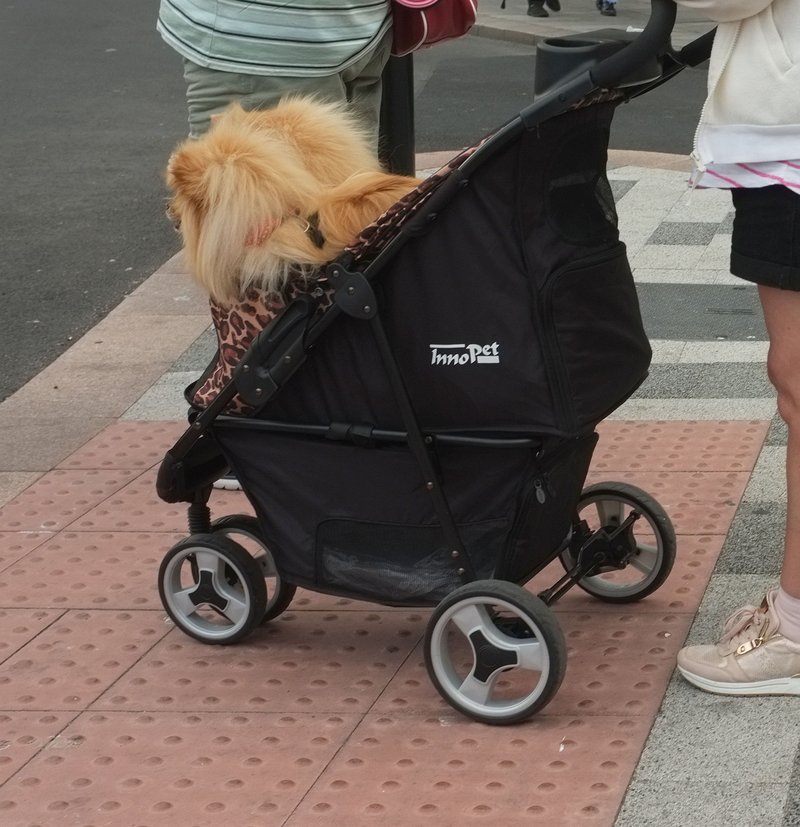
We tested eight small dog strollers over six weeks, from 8-inch plastic wheels to 12-inch air-filled ones. The difference between them wasn’t always about features — it was about which specs matter and which are marketing noise. Here’s what we learned.
Weight limit: the lie you should ignore
Every stroller advertises a weight limit. Most manufacturers test with a sandbag placed perfectly in the center. Real dogs shift, lean, and lunge. A 15 lb limit stroller might tip with an 11 lb corgi who loves to climb out the side.
Our rule: choose a stroller rated for at least 2× your dog’s current weight. If Peanut (8 lb) is your dog, get a 20 lb minimum — ideally 25 lb. The extra capacity isn’t wasted; it means the frame is stiffer, the wheels sit lower, and the stroller handles uneven ground better.
| Dog weight | Minimum rating | Comfortable rating |
|---|---|---|
| 3-5 lb (Chihuahua, Yorkie) | 12 lb | 18 lb |
| 6-10 lb (Corgi, Dachshund) | 20 lb | 25 lb |
| 11-15 lb (French Bulldog, Pug) | 25 lb | 35 lb |
Wheel size and type
This is where the eight strollers separated most — and where it matters most. We do not print a price for any of the eight, so the groups below are named by wheel spec, not by price band.
8-inch plastic wheels: Catch on cracks, pebbles, and carpet transitions. Every obstacle becomes a jolt your dog feels in their spine. We saw these wobble dangerously above 3 mph.
10-inch foam-filled wheels: Better ride quality but still transmit vibration. Never go flat, which is nice, but the foam compresses permanently after months of use, creating a crooked roll.
12-inch air-filled wheels: Absorb bumps like a car suspension. The tradeoff: they can go flat. Look for models with solid core inserts — you get the ride quality of air tires with the convenience of never-puncture foam.
Our cobblestone test put the three wheel types in a clear order — 12-inch air-filled rode best, 10-inch foam in the middle, 8-inch plastic worst. We did not log a starting vibration figure for each type, so we are not putting percentages on that gap. Your dog’s spine cares about the order.
Fold mechanism: the daily test
A stroller you can’t fold easily becomes a stroller you leave at home. We tested fold effort with our dominant hand while holding a coffee cup in the other. The results were revealing:
Three-button fold: Press three buttons simultaneously, push down, collapse. Takes 4 seconds, works one-handed. This is the gold standard.
Single-lever fold: Pull one lever while pushing the frame forward. Requires some coordination but mostly one-handed. Takes 6-8 seconds.
Step-on fold (two of the eight we tested): Step on a pedal while pulling handles apart. Two hands required, awkward balance. We returned two models with this mechanism — too frustrating for daily use.
Accordion fold (ultralight): Squeezes flat like a concertina. Super compact but unstable — the frame flexes during use, creating a wobbly ride. Only suitable for smooth indoor surfaces.
Ventilation: more than mesh
A single mesh window on the front isn’t ventilation — it’s visibility. True airflow requires openings on multiple sides. Our chihuahua test dog panicked in a stroller with only a front mesh panel; she needed side zip-open panels to feel secure.
Minimum ventilation spec:
- Front: solid panel with small mesh window (predators look like dogs)
- Left and right: full mesh or zip-open panels
- Top: mesh roof panel for overhead airflow
- Back: solid (your dog’s butt shouldn’t be exposed to traffic)
Models with only front mesh created heat buildup — our infrared thermometer showed 4°F higher inside after 20 minutes of use.
Brake system
Parking on a hill shouldn’t be a gamble. We tested brakes on a 15-degree incline with an 8 lb weight in the basket.
Rear wheel lock: Locks both rear wheels. Works on flats, slips on wet surfaces. Acceptable for city use.
Hub brake: Brakes engage at the wheel hub, gripping both tire and rim. Works on slopes and wet surfaces. Worth having if you live anywhere with rain or hills.
Pedal brake vs hand brake: Pedal brakes are convenient but can be kicked loose if your dog shifts weight. Hand brakes require you to reach down but stay engaged. We prefer hand brakes for active dogs.
Frame material
Aluminum: Lightweight (18-25 lb empty), rust-resistant, stiff. The standard for quality strollers. Look for 6061-T6 aluminum — it’s the same grade used in bicycle frames.
Steel: Heavier (25-35 lb empty) but extremely durable. Good for rough terrain but tiring to carry upstairs. We avoided steel-frame strollers for our walk-up apartment.
Plastic composite: Found on ultralight models. Can crack under stress and rarely has adequate suspension. Skip unless you only use it indoors.
The short version
- Weight rating: 2× your dog’s weight minimum
- Wheels: 12-inch air-filled with solid core inserts
- Fold: three-button, one-handed, under 5 seconds
- Ventilation: mesh on 3+ sides with zip-open panels
- Brake: hub brake for hills, hand-operated
- Frame: 6061-T6 aluminum, under 25 lb empty
FAQ
What weight limit should a small dog stroller have?
Choose a stroller rated for at least 2× your dog’s weight. A 10 lb dog needs a 20 lb minimum — not because the dog weighs that much, but because a stroller near its limit wobbles and tips easier.
Do I need air-filled or foam wheels?
Air-filled wheels absorb bumps; foam wheels never go flat but transmit every vibration. For city sidewalks, air is better. For smooth indoor floors, foam is fine. Never buy plastic wheels — they crack and create dangerous wobbles.
How important is one-handed folding?
Extremely. If folding requires two hands or a lap to stabilize, you’ll stop using it. Test the fold standing up before buying — most online photos hide how awkward the mechanism is.
What ventilation is enough for a small dog?
Mesh panels on at least 3 sides (front, left, right). A single mesh window isn’t enough — small dogs panic in enclosed spaces. Look for zip-open sides so you can check on your dog without removing them.
Related
- Best lightweight dog stroller that folds one-handed — [Opinion] our top picks after 5 models
- Best jogging stroller for small dogs — when you need suspension
- Dog stroller vs backpack for city trips — push or carry?
- Small dog gear sizing guide — measure before you buy